Founded in 1680 by the Portuguese, Colonia del Sacramento holds countless treasures worth visiting. Beyond the heritage value of its Historic Quarter, recognized as a UNESCO World Heritage Site since 1995, the city charms with its beautiful beaches and modern attractions, designer shops, and restaurants. There is plenty to see in the departmental capital, but on a first visit, you shouldn’t leave without exploring at least its most iconic sites.
-
Calle de los Suspiros [Sigh Street]
This is the most emblematic pedestrian street in the Historic Quarter. Its original 18th-century Portuguese houses, colonial street lights, old cobblestone paving, and views of the River Plate make it a dreamy, time-frozen place, full of legends and romance.
-
The Lighthouse
Built in the 19th century to guide ships sailing the River Plate, the lighthouse still works today, attracting hundreds of tourists who come to admire it alongside the ruins of Saint Francis Xavier Convent.
-
Ruins of Saint Francis Convent
These are the remains of one of the oldest structures in the region: Saint Francis Convent, dating back to the 1690s. Most of the building was destroyed in a fire in 1704, leaving only a few brick walls and large stones, on which the lighthouse was later founded.
-
City Gates
Also known as the “Country Gate,” this gateway was inaugurated in 1745 and is one of the most iconic landmarks in the department. It features a fort, a moat with a bridge, and large stone pillars.
-
Governor’s House
This name refers to a set of ruins, stone foundations, and artifacts from the Portuguese period discovered beside the Municipal Museum. Due to its grand scale, it’s believed the site once belonged to the governor of the Portuguese colony.
-
Bastión del Carmen
This cultural center and theater, located on the shores of the River Plate, is the hub of the department’s cultural scene. Exhibits, theatrical performances, and concerts take place here year-round. In summer, it’s one of the best places to enjoy the sunset and the shimmering reflections of the old dock on the water.
-
Bullring
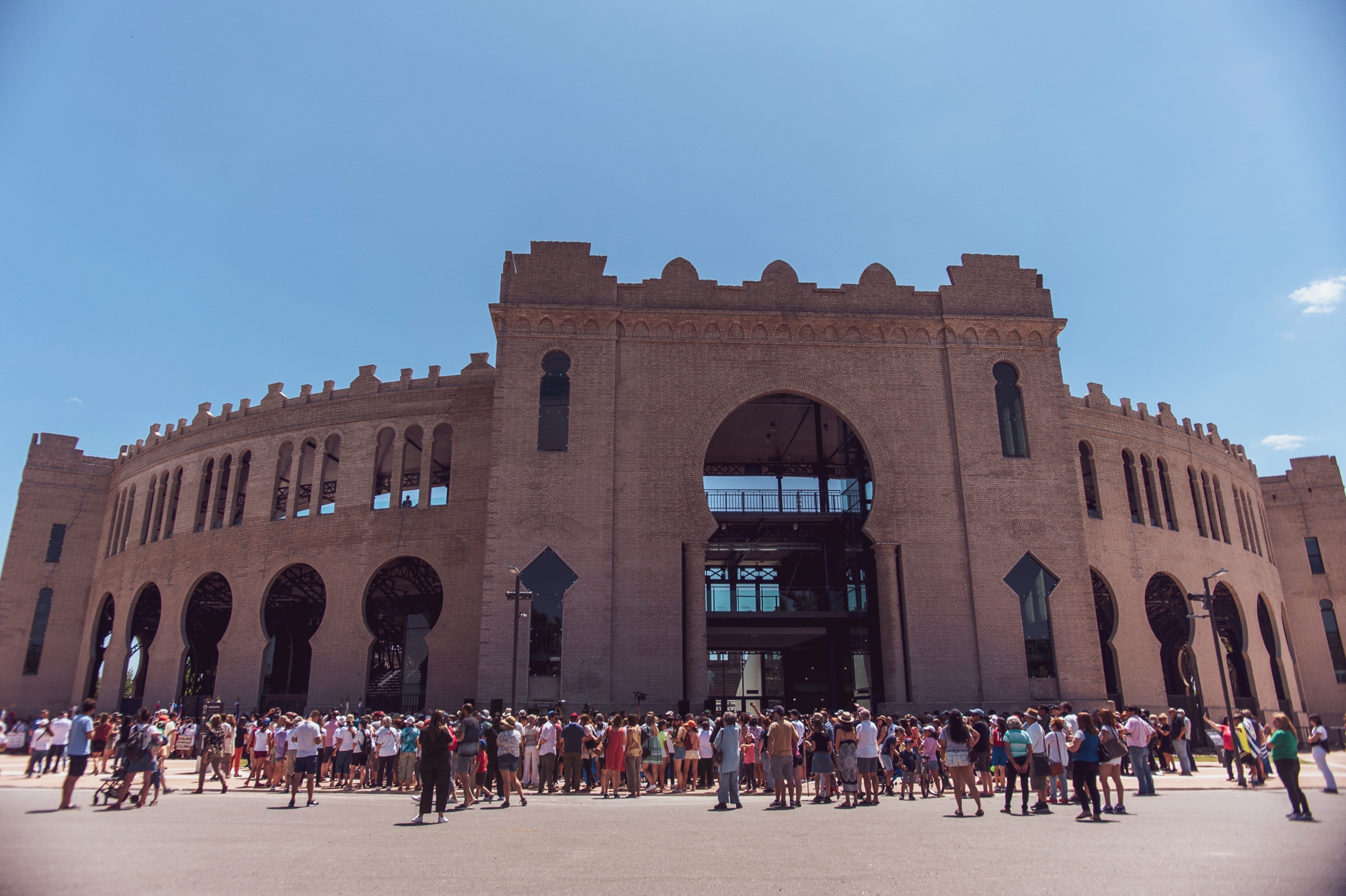
This colossal building is not only beautiful but also of great historical value to the city. It was inaugurated in 1910 by Argentine entrepreneur Nicolás Mihanovich, who dreamed of turning Colonia into a regional entertainment center with a bullring and a casino. Ironically, bullfighting was banned by official decree in 1912, and the site was abandoned for decades. In December 2021, it was restored and reopened to the public. It is now a full-fledged cultural and sports complex with a bullfighting museum, a local crafts space, a gift shop, and a café.
-
Recrear la Historia [Recreating History] Museum
Located across from the Bullring, this charming place invites you to explore the past of Uruguay’s railroads and trains. The museum features four early 20th-century railcars restored in period style and a station inspired by 1900s models. The project was built on the same spot where Nicolás Mihanovich dreamed of connecting Colonia to his bullring.
It offers services like guided tours, a restaurant, and a tea house: advance booking is recommended. Closed on Tuesdays.
More info at: https://www.recrearlahistoria.com/frontend/es/index.shtml
-
Harbor
With active traffic of yachts, ferries, and sailboats arriving from Argentina, the harbor is one of the best spots to watch the sunset and take in the view of the Bay and its beaches. The calm waters of the River Plate are perfect for water sports.
-
Beaches
The city’s beaches along the River Plate can be enjoyed both in summer and winter, whether for a refreshing swim or to relax while gazing at the horizon. Playa Honda, Ferrando, De las Delicias, and Del Rowing are among the tourists’ favorites.